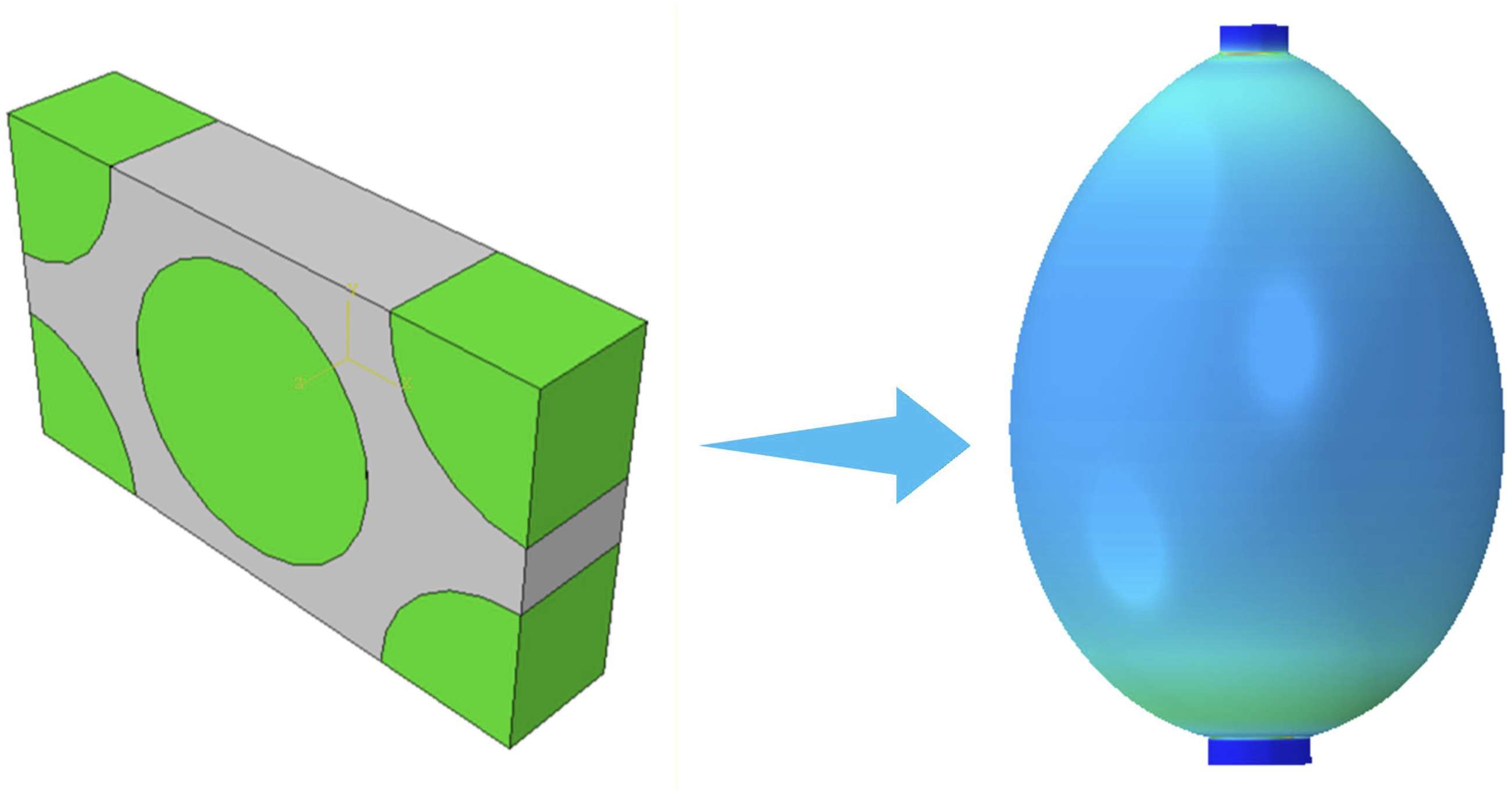
The study aims to evaluate the effects of infill pattern (IP) and layer proportion on the physico-mechanical performance of a 3D-printed polyamide-carbon fiber (PA-CF) and polyamide-glass fiber (PA-GF) multi-material composite (MMC). Additionally, the study integrates the Grey Relational Analysis (GRA) to assess the suitability of layer composition and infill patterns for enhancing composite properties. The results revealed that MMCs with dominant PA-CF layers exhibited enhanced stiffness and load transfer, whereas PA-GF-rich layer MMCs showed improved ductility and dimensional tolerance. Among all MMCs, samples fabricated with 75% PA-CF and 25% PA-GF layers at line and gyroid IP exhibited a uniform balance between mechanical performance and dimensional stability. The sample fabricated with line IP exhibited the highest density and lowest shrinkage of 1.16 g/cm3 and 0.22%, respectively, indicating stable compactness. Similarly, the sample with the gyroid IP composite exhibited a density of 1.05 g/cm3. The mechanical test revealed that the gyroid IP sample with a 75% PA-CF and 25% PA-GF layer composition showed the highest tensile and flexural strengths of 30.3 MPa and 34.3 MPa, respectively. The continuous load paths of the gyroid structure improve stress distribution and minimize stress concentrations, thereby enhancing energy absorption and delaying crack propagation. The developed MMC has the potential to be used for the fabrication of lightweight structural components, such as customized load-bearing parts and energy-absorbing structures, in automotive, aerospace and biomedical applications.
Research article
 Available accessResearch articleFirst published 2026
Grey relational approach to investigate the physio-mechanical characteristics of 3D printed multi-material polyamide-carbon fibre and polyamide-glass fibre composite structures
Vishal MishraORCID